Showing posts with label naps. Show all posts

Thursday, May 7, 2015

Tired one Minute, Ready to Play the Next! What's with that?


 Is your baby tired one minute, ready to play the next! 
What's up with that?    
                                      
Congratulations, You have just missed the sleep window.  This blue eyed baby had these two pictures taken just a minute a part.  She is 6 months old and she is very alert.  It is hard to catch her sleep window because her overtired state (Cortisol Rush) comes right on the heels of Yawning and Eye rubbing, or in other words, the obvious tired signs. It's just not fair!  One minute you see that she's tired, then she is ready to play again. 

Here's what you can do.  
First, try to catch the early tired signs.  
Do you know what those are?

I ran a pole in my "Sleep Sisters-Get Quiet Nights"  Facebook group of Early Tired Signs that the mom's had observed in their babies. 


They Mentioned:
Zoning out
Staring off into space
Disinterest
Disengaging
Glassy eyes
Blinking more slowly
Clumsy (Toddlers)
Scrunching up their face
Clenching their fists
Grunting or Grizzing
Laying their head on the floor
Crawling over for a hug
Putting their head on mom's shoulder
Pulling Ears or Hair
Red Around the eyes or eyebrows (this can be an early or a late sign)
Hands get warm (this was the first time I had heard of this unique sleep cue) 

Early Tired signs can be VERY hard to catch. They are more subtle and may only last for a moment. If you see an early tired sign, put your baby to bed even if it only lasts a minute and your baby seems happy to keep playing and stay up.  Your baby has entered the sleep window and you just saw the opening act.  The closing act (yawing and eye rubbing) you want to happen after her head is on the mattress if you have an Alert baby like this one.  

If you can not see the early tired signs, no matter how hard you try, that does NOT mean that you aren't a good mom.  That happens all the time.  Especially if you have an alert, smart, spirited baby.  That would be like feeling guilty for not knowing what every cry means.  Tired, Hungry, Overstimulated, Poopy, Bored, etc.  (Oh wait, you do feel guilty about that?)  No need to feel guilty about that.  Throw that guilt out the window.  Many babies don't have the range of crying for all the different things, and mom's may not have the sensitive hearing it takes to distinguish the cries or the life experience to tell the difference.  Not your fault.  Your effort is enough.  Here is a cheat sheet for Fussy Signs you can't Identify.  Print it out and stick it to your refrigerator. 

A Sleep Deprived Parent's Cheat Sheet for Guessing 
Why She's Crying


So here is a trick to help you figure out the sleep window when early sleep cues are not obvious. 

Make a timeline of your sleep. 
  • Wake up time. 
  • Early tired signs (See the above list)
  • Late tired signs. (Yawning, eye rubbing) 
  • Cortisol rush (Burst of Energy)
Now figure out how long your wakeful window is. And How long your sleep window is. If you can't figure out how long your wakeful window is, look at the time difference between wake up and cortisol rush. Now subtract 15 minutes from that time. That's how long your wakeful window is. That's when you should have been seeing early tired signs. It can be hard to see those early tired signs. Especially with alert children.

For babies 6-9 months the wakeful windows are often 2 hours long so naps are 2 hours apart. We call this a 2-2-2-2 schedule. The 2 represents a wakeful window. 

For babies 9-18 months the wakeful windows are more like 2-3-4. Wake up, then two hours of wakefulness. Have a nap then three hours of wakefulness. Then have an afternoon nap and then 4 hours of awake time, then it's bedtime. 
I call this a 2-3-4 schedule. 

For toddlers 17 months to 2 years old, the first nap gets dropped and it's more of a 6-4 schedule. Wake up, awake for 6 hours, then nap. Then up to 4 hours and then it's bedtime. 

For toddlers over 2 years old, the wakeful windows are much less predictable so watch for the early tired signs. 

Remember, It's your effort and responsiveness that makes you a good parent.  Not the number of perfect days you have. 


Tracy Spackman is Certified Gentle Sleep Coach
www.GetQuietNights.com


Thursday, September 25, 2014

Is Cry It Out the only option? NO!

There seems to be a lot of pressure on moms to have a quiet, sleeping through the night baby at a very young age. But in fact this is just not normal. It's not about weight, or even weeks, it's about developmental readiness and temperament.

In and around the 4th month of age there is a lot of cognitive development. Some babies may be ready as early as 18 weeks and others need more time to grow and bond. Follow your heart and do what you feel is best for your baby. Bond, nurse, co-sleep, wear, whatever feels safe and right. It doesn't matter what culture, neighbors, sisters or mothers in law say about it.

The range of what a baby can do it very broad. Some babies are naturally good sleepers. Others have a difficult time shutting down their minds to sleep. Talk to your doctor and still listen to your intuition. When he says babies wake a lot at night, he's right. And some babies wake more than others. If you are sleep deprived and going crazy, try motion naps in the stroller, swing or carrier and part of the nights in a swing laid all the way back. Does co-sleeping work for you? Would room sharing help? Be responsive.

Many mom's get repeated advice to just do Cry It Out.  There are many articles and posts about the negative effects of Cry It Out.  If that's just not for you, rest assured,
you have other options.  The No Cry Sleep Solution is a long, slow drawn out, baby step plan that works for many families.  But for some families it's too long.  The Good Night Sleep Tight book by Kim West is great if you have an older baby.  For younger babies, it's too visually stimulating and not responsive enough.  There are methods of camping out where you sleep in your baby's room. Methods of touching and shushing.  Methods of Picking up and putting down.  So many methods.  What is right for you?

I have found that there IS perfect combo of methods that works quickly and easily but definitely takes more effort than Cry It Out.  Where is this book?  It's not written. It's a combo made specifically for you child's temperament and age.  You get that from a gentle sleep coach. That's the advantage of a sleep coach, she will tell you what to do, work with you to find the fastest and most gentle approach, tailored for your child's needs and his parents goals.

 If you are at your wits end and just need a plan, I can help. I may just help you have reasonable expectations or there maybe a few things you can do to help your baby sleep longer stretches until your baby is ready to do more. But if you are fine, keep doing what you are doing. If you don't have a problem with the waking, it's not a problem. I can't believe how fast they grow. Get past the 4 month vision changes and brain development and then see how you are doing. It's so fun when baby can see you from further away. The increased perceptiveness is exciting for your baby and very distracting. So much of the world to see. Get to at least 18 weeks and re-evaluate. If you can hold off until 6 months, even better but I understand if you can't get that far.

If you wonder if you have realistic expectations, I can talk to you about that for free. I speak on that subject regularly at the local moms groups, hospitals and baby stores and on Facebook groups. Let me give you some coping strategies.

Take a few minutes of my time for free. 602-524-7610. Call, text or message me to set up a free 5-15 minute call. I'm here to help. If you know you are ready to make major changes and just want someone to give you step by step instructions that fit with your family goals, book a consultation and we will get you all sleeping in no time.

Tracy Spackman
Certified Gentle Sleep Coach
602-524-7610
www.GetQuietNights.com
https://www.facebook.com/QuietNights

Sunday, September 7, 2014

What's the perfect bedtime?

How do you know when to put your child to bed?

It depends on the age, the nap, and the wake up time and more.  I often speak about the "Anticipated Bedtime" and catching the sleep window.  I could talk your ear off about this topic.

In a nut shell, here is a general guide-line but defiantly not written in stone:
  • 4 months-6-7 but may still be unpredictable.  (4th month is crazy)
  • 5 months Around 6-7 pm or 12 hrs after wake up and 90 minutes after the last nap
  • 6 months-Around 6-7 pm or 12 hrs after wake up and 2 hrs after the last nap
  • 9 months-Around 7pm or 12-13 hrs after wake up and 3-4 hrs after last nap 
  • 12 months-Around 7pm or 12-14 hrs after wake up and 4 hrs after nap 
  • 18 months-Around 7pm or 12-14 hrs after wake up and 4 hrs after nap 
  • 2 years-Around 7pm or 12-14 hrs after wake up and 4-5 hrs after nap 
  • 2.5-4 years-Around 7pm or 12-14 hrs after wake up and it's much more unpredictable  of a time frame after the last nap.
Other things to watch for are the child's natural behaviors that let you know they are tired. Yawning and eye rubbing are late sleep cues.  Watching for late sleep cues works more for Easier temperamented children and less for Alert children.  

Other things to watch for are:
Zoning out
Staring off into space
Glassy Eyes
Disinterest
Fist clenching
Eye Squinting
Red tinge to skin around eye brows and eyes
Slowing down
Clumsy
Clingy
Lay on the floor for a moment
When picked up they-head on your shoulder
There may be other unique cues that you will notice before the Yawning and Eye Rubbing 

If you see a burst of energy after Yawning and Eye rubbing, you just missed the sleep window. So keep one eye on your baby and one eye on the clock.

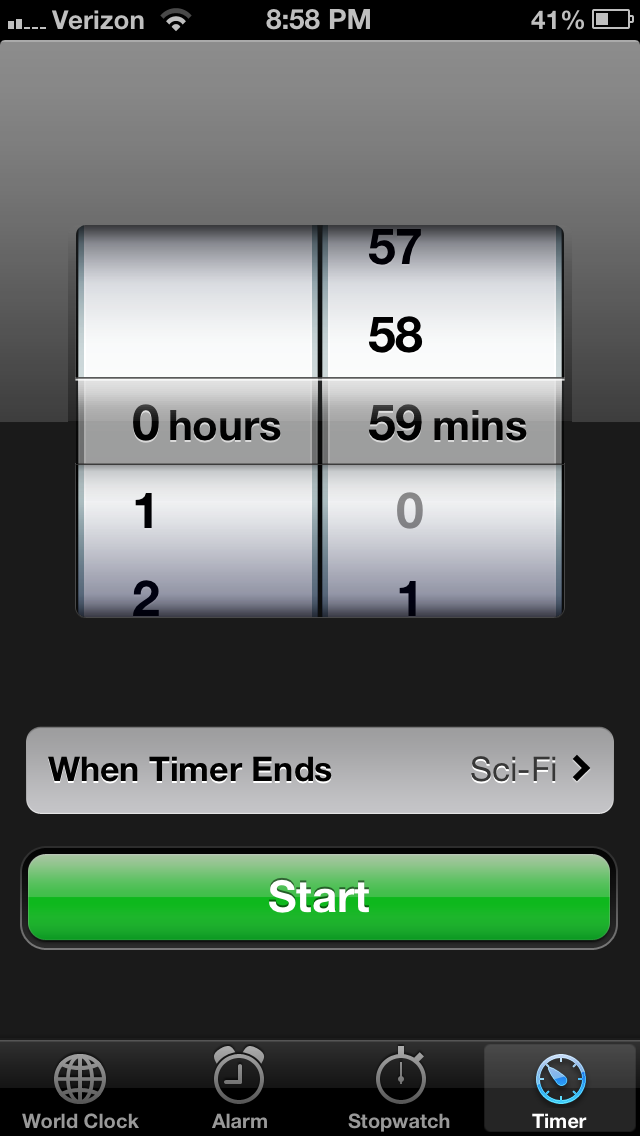
Here is my simple idea.  Set the alarm or timer on your smart phone for 2-3.5 hours when he wakes up. (Depending on the age)  Don't worry about catching the sleep window until the timer buzzes in your pocket.  Then keep snoozing the timer until you see his sleep cues.  Once you see his sleep cues, put him to bed.  So instead of watching all the time for the sleep cues, just do it for the 10-20 minutes around the end of the expected wakefulness.  Notice how cute he is instead  of going crazy watching for sleep cues.  One eye on your baby, one eye on the clock...but after the right amount of fun.


For sleep plans and sleep advice, call me.  Free 15 minutes for sleep deprived parents.
Tracy Spackman
Certified Gentle Sleep Coach
602-524-7610
www.GetQuietNights.com
https://www.facebook.com/QuietNights


Saturday, June 21, 2014

How do you improve naps in 4-5 month old babies?

How do you improve naps in 4-5 month old babies?  (If I don't hold him, he won't sleep.)

Getting enough day sleep any way possible  is the building block for night time sleep and sleep skills. Night time sleep skills is the building block for daytime sleep skills. Especially in alert babies. Maximize day sleep by using your sleep crutch blessings. Work on night skills if your baby is ready and then work in nap skills. 

Do people describe your baby as "bright eyed", curious, observant, social, aware? If so then his alert temperament likely means he has an active mind and has a hard time shutting if off to sleep. It also means he is probably very smart. I have 5 of these alert children. They are very fun as they grow up but sleep is a real challenge at first. 

Learning to self-regulate (manage stress like going to sleep without mom) is much more difficult for alert temperaments and he needs you to help him. If he is over 18 weeks, was born full term, is heathy and you have seen an increase in his perceptiveness for over 2 weeks, then you can gently do some sleep shaping to begin working on night skills but take it slow. Usually, once the nights get to using less crutches, the naps get easier.  

Gentle sleep Tip for immediate results: Catch the sleep window. Doing this for naps prevents the cortisol hormone from complicating things. Cortisol is the hormone the body produces when it is ready for sleep (run out of energy) but not going to sleep. It's a defense mechanism. It feels like the second wind you as an adult get when you stay up later than usual. In fact, that is exactly what it is. 

How do you do it?   Try napping him after 60-90 minutes of wakefulness when you see him staring into space, zoning out, glassy eyes, disinterest. That should happen before yawning and eye rubbing. Pay close attention, it's easy to miss.  If all you see is yawning, take note of the timing interval from the last wake up. Then try for a bit shorter interval next time. So if it's been 1.5 hours since the last wake up when you see him yawn, try watching his body language closely after an hour and 15 minutes next time to see if you notice the earlier sleep cues. Some babies pull their ears, bonk their head against mom or have some other unique but subtle signal.  When you see this, put your baby down to sleep. You may even get a longer crib nap if you have caught the sleep window. Try a swing nap. Motion sleep is better than no sleep.  If notch at still doesn't get you longer naps, keep doing it while you spend some time on removing night crutches.  For some babies, naps just don't get better into 6 months and nights improve. Just be sure to get lots of those 30 min naps. (More than 3.)

If you are happy snuggling or nursing your baby to sleep and/or holding for naps, and you are both bonding, eating enough and getting an adequate amount of sleep, don't let anyone tell you that you have a problem. For young babies, sleep crutches are not a problem. You are a terrific mom taking great care of your baby. 

If you want to talk to me about gentle sleep shaping plans or your baby is older and need a gentle sleep coaching plan and don't want to do cry it out, give me a call. I'm a certified gentle sleep coach. No cry it out. I'm different from other sleep trainers. I'm pro nursing, pro attachment theory, and you can night feed and co sleep or not depending on your family goals. I look at your unique scenario and your unique baby and I will come up with the right gentle plan for your family. And it may not be what you think. I prefer resonsive methods that support the baby's healthy growth and development. 

Contact me for a free 15 minute sleep assessment.

Tracy Spackman  602-524-7610
www.GetQuietNights.com


Tuesday, June 17, 2014

My baby likes me better when...

My baby likes me better when...
1. I come to her as soon as she calls for me in the morning
2. I pay attention to her sleep cues and put her to sleep before she's overtired.
3.  I nurse and cuddle her before her nap since she doesn't have day time sleep skills yet.
4. I close the curtains for her nap.  She likes to sleep in the dark, just like me.
5. When she wakes up after 30 minutes, I snuggle her back to sleep and hold her for a while so she can finish her nap in my arms (she doesn't have daytime sleep skills yet and she needs 45 minutes to feel rested.)
6. I feed her when she wakes up from her nap. Her tummy is small and needs to eat frequently.
7. I talk to her and tell her what I'm going to do next.  I'm not sure if she understands but I think she does.
8. I watch the clock so I can be watching her body language for her next sleep window.  If I catch her tired signs, she seems happy to nap and less frustrated.
9. I sing to her. I want her to feel safe.
10. I put off sleep training him until she is ready.  No rush.  Her brain isn't ready until after 18 weeks and 6 months or later is even better.

I was thinking about 4-9 month old babys when I wrote this.


Tracy Spackman
Certified Gentle Sleep Coach
602-524-7610
www.GetQuietNights.com
https://www.facebook.com/QuietNights
http://getquietnights.com/2014/06/my-baby-likes-me-better-when/


Monday, May 26, 2014

What's with the 4 month sleep disaster?

Sleep Question:  Tracy Spackman, my DD was a decent sleeper up until about the 4 ish month stage. Now at 5 months, she has a harder time falling asleep now, and only naps for very short periods during the day, why?

Yes, around the 4 the month, there is tons of brain development. Like the vision changes.  It's actually very exciting for her. Your baby can now see farther away and with all the added detail to her world,  she is more perceptive and therefore more distractable. Think of it as a sleep progression rather than a sleep regression. (Just semantics) Sleep falls apart and wake ups may happen every 1-3 hours, and naps may be hard to get and often feeding is harder as she is more easily distracted.  This is when the baby's sleep is becoming a little more like adult sleep and may be ready or getting close to being ready to lean sleep skills. A little tip to help with the distracted eating is to nurse (or feed in your arms) making eye contact and facing a blank wall away from other distractions.  Put a light blanket over the two of you like a tent if necessary to block stimulation.

That doesn't mean you need to do sleep training now. But some gentle sleep coaching or sleep shaping can help.  Previous to this, sleep is innate. Either she can do it or she can't. Sleep self soothing is a learned skill. This skill enables her to relax and organize  her body to sleep when she is tired and it also helps her to better manage her emotions when in stressful situations. After sleep coaching older children, many parents tell me their child's temper tantrums stop and their child is more even tempered once they are able to sleep without a sleep crutch. So, your child is reaching this time. It's very exciting and frustrating at the same time. If you want to do sleep coaching, it's still a good idea to wait until 6 months if you are going to follow a book.

If you need better sleep NOW, that's where I can help. To do something gentle like I do, your baby still needs to be at least 18 weeks old and at least 2 weeks into the more distracted phase of the 4 month sleep regression and you would want to have appropriate night feedings as part of your plan. Until you have a plan in place that you feel confident in and can be consistent about, keep doing what ever crutch gets you both as much sleep as possible. Swings, nursing, co-sleeping, rocking etc. these are blessings until you are ready for change.  Cry It Out isn't the only option.

Other things you can do right now are:
1.  Catch the sleep window.
2.  Try gentle white noise or rain or fan sounds.
3.  Reduce the stimuli in bed like mobiles and light.
4. Try putting your baby to bed drowsy but awake but this doesn't work for everyone.

You may want to check out my website www.GetQuietNights.com and read the success stories of parents going through what you are going through.  I have recommended books and a blog on there too. And if you are going crazy, call me for a gentle sleep consultation.  I wish someone had explained it to me when my babies were that age.

For sleep consultations, visit www.GetQuietNights.com
Tracy Spackman is a certified gentle sleep coach. That means she will teach you how to help your child sleep through the night without doing Cry It Out. You have gentle options.
Free 15 min sleep assessments. Call 602-524-7610
Invite your friends to Join my Facebook group "Sleep Sisters"

Does teaching babies to sleep in the dark spoil their chances of being able to fall/stay asleep in dim or lit environments later in life?


No. That is a common misconception.

If your baby is able to sleep in loud, bright places- fantastic, you have an easier baby than some others. It's fine. If you struggle to get your baby to sleep, that is a different story. A baby sleeps easier in a completely dark room. Just like adults. Especially after the vision changes and they can see farther across the room. The lights from a night light, window, baby monitor are all distracting and stimulating..."What's that bright thing?" Moms who notice the baby is staring at them through the monitor, that baby is captivated by the little light on the camera. Once your baby is a good sleeper, then you can introduce more challenging sleep situations. They are likely going to be much more flexible. Nights and Naps are different and one can never get it as dark for a nap as you can for the night but any darker that you can get it, is likely going to help. Your body has a circadian rhythm, (a clock) which drives the need for sleep.  It is reset each day by light exposure starting around 4 months old. It's essential that we experience a regular light dark cycle in order to maintain appropriate sleep at night.  That's not saying we need to nap in the light.  During daytime waking hours, be in the light starting with light exposure first thing.  During naps and night time, stay in the dark. This means that if your baby wakes up at night, try to keep him in the dark or very low light.

Erin Flynn-Evans (PhD in sleep and circadian physiology) says "the bright daytime sun is quite able to invade a napping child’s room during the day. There isn’t a circadian need to have a dark room during the day, however, in order to avoid an inappropriately short nap it is absolutely key that a napping child’s room is cool, dark and quiet. A dark room can mean the difference between a 30 minute nap and a two hour nap. If your child only gets a 30 minute nap, but really needs a two hour nap, everyone will pay the price. An unrested child will have more difficulty going to sleep at night, will wake up more frequently during the night, and will exhibit negative behaviors such as crankiness and inappropriate reactions to situations while awake."

A dark room helps your baby sleep longer.  Once your baby has good sleep skills, they are likely going to be more flexible to unusual situations like hotel rooms, air planes, and restaurants.  I have seen this happen over and over again.  A mom tells me her child won't sleep longer than 30 minutes.  The first thing I want to know is where the baby is napping?  Often the answer is in a playpen or a swing in the living room.  TV on, toddler playing nearby.  I suggest she try putting the play pen or the swing in the baby's room where it is dark and quiet and see if that helps.  It usually does.  That may not be all she needs to do but it's a good start.  

You nap and sleep better in a dark, quiet room.  It's the same for your baby.

I believe in using evidenced based methods that are gentle and backed by science.  If you need sleep help, sleep consultations offered in person and over the phone.  Contact me for a free 15 min sleep assessment.  I work with families with babies over 4 months old.


Tracy Spackman
Certified Gentle Sleep Coach

Sunday, May 25, 2014

Tenacious, spirited, alert babies grow up to be smart, driven, go-getters.

Tenacious, spirited, alert babies grow up to be smart, driven, go-getters. 

Meet my son Christian. Frequent night waking until sleep trained around 13 months old. (I waited so long and was at the end of my rope). I wish I had known then what I know now as a gentle sleep coach. I needed a sleep coach. Someone to tell me how to help him sleep.

Now that he's 13 years old he is still very spirited and needs an outlet for all his energy. (Football and other sports help a lot). He taught himself to play the guitar while taking piano lessons and doing band at school. His tenaciousness proved to be a good thing as he was determined to find his lost capo (a guitar tool) so he could help me with a song parody I'm making up about whining bedtime toddlers based on the song 'Last Friday Night' by Katy Perry- or rather it's a parody of the mine craft version 'Don't Mine at night'. My song is called 'Don't Whine at Night'. Well Christian couldn't play it without his capo and just wouldn't give up looking for it. Today was day 4 of his search for it. Today he was looking behind furniture, on tops of book shelves, in pick up baskets and all the weird places. He finally found it. Now we can work on my parody. I can make up songs but I don't play any instruments. 

My spirited, energetic children are true blessings. It's just hard to get past the sleep challenges they have as babies and children. Now I can help you with that and I can relate to all that you are going through. I've been there. 

www.GetQuietNights.com
https://www.facebook.com/QuietNights
Tracy Spackman
602-524-7610
Free 15 minute sleep assessment for sleep deprived parents of sleep deprived babies and children. 
Text me, call me, contact me through my website. www.GetQuietNights.com

Wednesday, April 30, 2014

Moving to a new house this summer? Worried your child will be scared of their new room?


Any change in a child's sleep environment can effect sleep.  It's so important to keep things consistent, especially if they are just learning to master sleep skills.  For example, if you use white noise (which I love), turn it on when your child starts falling asleep.  Then continue to play it all night.  If it goes off after 45 minutes like in the super cute sleep sheep, then when they wake up between sleep cycles --(Which is totally normal and is never going to change) ... so when they wake up between sleep cycles, the white noise will still be there.  If it's not, it's a change in their environment that they will likely notice and find disconcerting.  Can there really be such a thing as too quiet?  For some babies, yes.

Moving to a new house with a new room for the baby is a big change in the sleep environment.  Be sure to clearly label all the boxes containing the baby stuff so it's easy to find.  The baby's room is the first room you set up. (Even before the kitchen)  Let your baby hang out with you while you do it or even let them "help".

Put your baby's recently used sheets (so they smell like her old room) back on her bed and play a few games of airplane with her bed being the landing field.  Make this clearly a play time and not a plop her in bed time.  Spend enough time in her room to help her get used to it and make it look like her room as much as you can.  Hang the black out blinds or curtains so the late setting summer sun doesn't make bedtime harder.

If your child is slow to handle change, consider camping out in her room to offer her reassurance that you haven't left her in a strange place.  Some children need you to go through a few steps of your sleep coaching routine again to help them adjust and others surprise you by how easily they make the change.

It's important to catch your child's sleep window so you don't have overtired stress compounding on new room stress.  The familiar smelling sheets, the close proximity to parents, the usual teddy bear or special blanket, the soothing calm of darkness and a predictable bedtime routine can help make this a smooth transition.

If the kids are sleeping well, it's much more likely the parents are sleeping well, too.  ...Unless you stay up all night setting up the kitchen.

Do you need a sleep plan?  Call me for help with sleep issues for Sleeping through the night, napping consistently, or bedtime battles.  Free 15 minutes for new inquiry's.  Just call and leave a message.

Tracy Spackman
Certified Gentle Sleep Coach
602-524-7610
www.GetQuietNights.com
https://www.facebook.com/QuietNights

Tuesday, April 29, 2014

One Eye on the Baby, One Eye on the Clock? How long can Baby stay awake? I need sleep!

I love to use technology to make life easier!  Who doesn't?!  Have you thought about using your smart phone timer to think LESS about your baby timing?  Let me explain.

Your baby has a period of time that he can stay awake.  I call that the wakeful window.  A 2-5 month old baby likely has a 90 minute wakeful window.  He wakes up, 90 minutes later he is ready for a nap.  He sleeps for 30, 45, 60 or even more.  Then 90 minutes later he is ready for another nap.  His wakeful window is 90 minutes and constantly changing depending on how long he slept and how much older he grows.  It may be as short as 60 minutes after a short cat nap or as long as 2 hours after a solid sleep.  Around 6 months it's typically 2 hours between sleeps all day.  Around 9 months it may be 3 hours during the day but 4 hours from the end of the 2nd nap to bedtime.

So back to our 2-5 month old scenario.  You may be trying to figure out what your baby's wakeful window is so you can catch their ideal nap time--the sleep window.  (I'm glad I don't have to clean all these windows.) By catching the sleep window, and putting him to bed before he gets overtired, you avoid the Cortisol rush that comes with missing the sleep window and  messes with the overall sleep ability.

Here is my simple idea.  Set the alarm or timer on your smart phone for 59-60 minutes when he wakes up.  Don't worry about catching the sleep window until the timer buzzes in your pocket.  Then keep snoozing the timer until you see his sleep cues.  Once you see his sleep cues, put him to bed.  So instead of watching all the time for the sleep cues, just do it for the 10-20 minutes after the first hour of wakefulness.  Notice how cute he is instead for the first hour.  One eye on your baby, one eye on the clock...but after and hour of fun.

But what about night sleep?  Aim for 12 hours at night after 4 months. (Including wake ups.)  If he wakes at 6am, aim for a bedtime of 6pm.  Catching his sleep window for all his naps can make night sleep easier.  Go ahead and use your crutches for naps.  Motion sleep or nursing to sleep is better than no sleep.  Sleep begets sleep.  A good nap day makes for a better night's sleep.  At 4 months things may be getting a little crazy so do what ever it takes to get the sleep.  Soon, he will be old enough to learn serious sleep skills.

For sleep plans and sleep advice, call me.  Free 15 minutes for new inquiry's.
Tracy Spackman
Gentle Sleep Coach
602-524-7610
www.GetQuietNights.com
https://www.facebook.com/QuietNights

Monday, April 28, 2014

Toddler Testing you at bedtime?

Here is a scenario I get all the time:

"Hi Tracy, I wanted to give you an update. She is doing very well with her sleep. She is sleeping right through the night now and has been doing so for a few months now. She was doing really great:  when we put her to bed, I would shut the door and walk away and she would put herself to sleep within a few minutes.  The last month however, she has deviated from this pattern.  Not sure what has happened because nothing has changed but now she keeps asking for ‘last’ hugs and kisses, or wants me to sing to her and freaks if I shut the door. She also wants me to sit outside the door and she keeps calling my name so I have to keep shushing her. If I shut the door and leave she gets so upset that she eventually throws up. Any advice? Once she falls asleep she sleeps right through the night, but getting her to sleep is becoming a long, drawn-out process."

This Toddler is Two!  She is probably testing you. That happens at this age as her brain develops.  Expect it again and with greater intensity around 2.5 years old.  This is probably where the label of “terrible twos” came from.  
She is expressing herself and testing the limits.  Mind you, this doesn't mean there shouldn't be limits.  She is trying to figure out what these limits are.  Be consistent when you say “no” and only say it when you mean to follow through.  All the extra kisses and requests can be put to an end by your consistency.
Offer to talk about more bedtime choices in the morning.  We certainly don't want her stress levels climbing so high she throws up, so consider going through your previous bedtime coaching again to help her get back on track.  That's what coaching is for.

Instead of giving in to her bedtime delay tactics, give her other areas to control:  which PJ's to wear, perhaps, or which story to read, which bubble bath.  Offer her choices even if the 2 options are the same:  Pull out two packs of fruit snacks or 2 apples, for example, and let her pick which one--even though they are exactly the same, it gives her something to have power over.  Be consistent about not doing extra things after your final “three things” at bedtime.  


This is also a good age at which to length the “wind-down” so start your routine a little earlier to fit in an extra snuggle with your story.  But… once you start your “final three”, they do absolutely need to be final.  I like “story, song, Kisses” as my “final three”.  Feel free to put anything you like before those, but when it's time to say good night, be consistent.   That may mean walking out, that may mean sitting in a chair or on the floor or standing by the door, depending on the method you are using.  Just don't get stuck at that step.  Do a bit less each night and fade out your support as fast or as slow as your child needs.

At bedtime, go through the motions of your responsive bedtime coaching again.  That gives you a gentle and responsive way to respond in a consistent manner without getting stuck.  You will be able to reinforce your bedtime routine's "end".

If you need help with a bedtime method to help your child sleep, call me.  That's what I do!
Tracy Spackman
Gentle Sleep Coach
602-524-7610
www.GetQuietNights.com
https://www.facebook.com/QuietNights

Wednesday, April 23, 2014

Bedtime Snacks: Do you think the food children eat before they go to bed affects their sleep!?

QUESTION: 
Monica Asked…
“Do you think the food children eat before they go to bed affects their sleep!?  What are good examples of snacks before bed?”

ANSWER:
Absolutely! Milk right before bed increases the need to pee at night. Truly! Choose water instead if  you are beyond the age where night time calories are still needed. (That's a whole other topic! lol)
Some children react strongly with gas to dark green veggies like broccoli.  I know they are so good for you (highest protein per calorie than any other food) but it just takes time to adjust to that type of food. But it's good to know the cause of the discomfort.

The more obvious things to avoid are; caffeine (6-7 hours before bedtime), so… no coffee (isn’t that a no-bainer?) and chocolate and sugar, large meals or large fluid intake before bed, foods containing MSG, Foods containing large amounts of the amino acid tyrosine (foods with yeast, aged cheese, fermented products, cold milk).  This is getting very detailed and technical.

Also avoid eating protein close to bedtime. If you or your child is needing a light snack before bed that will aid sleep, choose things like; cashews, eggs, cottage cheese, chicken, turkey, warm milk, cereal, pasta, bread/crackers, grains, pancakes waffles, bananas and starchy vegetables. (This list does not take into account possible food sensitivities, Another whole other topic.)

Avoid sugary snacks and eating too close to bedtime.

Stock up on Almonds, raw almond butter, apples, bananas, berry jam, blueberries, carrots, cashews, celery, cottage cheese, string cheese, free-range chicken, cinnamon, eggs, flaxseed, frozen yogurt, grapefruit, halibut, hazelnuts, kale, lemons, lentils, mixed greens, oats, olive oil, oranges, pumpkin seeds, salmon, shitake mushrooms, low-fat soy milk, strawberries, tofu, ground turkey, whole-grain bread, whole wheat pastry flour, white or brown basmati rice, yogurt.

I wish I could say I came up with this all on my own but I find the best answers to the questions I don’t know off the top of my head.  I got it partly from Andrea Strang from Kindersleep.com who I work with doing sleep consulting for and she credited Health Solutions for Sleep, Dr. James Rouse & Sleep Naturally, Stephen Holt, M.D.


Tuesday, April 22, 2014

DIY Wake Up Lights

Wake up Lights-Great Question for Do It Yourselfers


Jessie Krefting (mother of 2 challenging sleepers) asked...
"Hi Tracy, Is there a way to make a sleep clock instead of buying one so that it doesn't interfere with Reese's cave-like room?"
Answer:
Yes. Dark rooms are best and many wake up lights you buy have a light that is on all night. You can make one yourself. Use any small lamp that you have and use a small green bulb like an outdoor Christmas light or a chandelier light bulb. If the base of the bulb is too small for your lamp, you can get an adapter piece to screw into the lamp that changes the base size. Plug the lamp in to the wall through an appliance timer like you would use for Christmas lights and set it to go on at the wake up time like 6am or 7am. If you can use a green bulb, you can teach your child that green means go! Talk about the light at bedtime and again in the morning to reinforce what you expect. Everything you need you may have at home already or can be found for low cost at your local home hardware store.

If you need sleep help, give me a call.  I create personalize sleep plans to help children sleep though the night without using Cry It Out.
Tracy Spackman
Certified Gentle Sleep Coach
602-524-7610
www.GetQuietNights.com

Monday, April 21, 2014

"Blanket Races" Help Children Sleep Through the Night

I get great Questions on my Facebook page https://www.facebook.com/QuietNights and here is the last one.
Great Question:  Tracy, when can babies sleep without the sleep sack? When is it safe to switch to a blanket? It's starting to resemble spring here and hopefully allow for open windows soon.


My Answer:  Usually around the time they switch to a toddler bed after 2.5 years old or when they can pull the blanket up over themselves on their own after 2. Sleep sacks come in all weights and sizes and prevent babies from getting a leg up to climb out of their cribs as they get more adventurous.

A fun way to teach a child to pull up their blankets is to do "Blanket Races" It's a game I made up. You and your child lay on the floor covered in a blanket. (Each your own blanket) On Your Mark, get set, GO! Kick off the blankets. Mark, get set, GO! Pull them back on. On Your Mark, get set, GO! Kick off the blankets. Mark, get set, GO! Pull them back on.   Repeat.  The Mom or Dad races the child to get the blankets back on the fastest and usually ends in a lot of giggles. This game can help your child develop the muscle memory to pull up their blankets in the night in their sleepy state when they wake up between sleep cycles if they have kicked them off.  Don't do it right before bed at night as it will get you both all riled up.  It's better as an afternoon or morning game.

I need to get someone to make me a video of this blanket race game.  Any takers?  Send your video to me at Tracy@TracySpackman.com
www.GetQuietNights.com  602-524-7610

Thursday, April 17, 2014

Early Rising Sun Increases Early Rising Sons and Daughters


Exposing your body to bright light at the same time every morning helps to keep your body clock on the same rhythm so if the spring sun is rising earlier, you may be waking earlier and so is your child.  To help prevent this early rising and help your child sleep through the night you can use this  trick...

Use black out blinds and Blue Tape.  Use blue tape (painter's tape) to tape the blinds to the walls to seal out any cracks of light that slip through the edges.  If you are buying blinds to fit, order them to fit outside the frame. This blocks more light.

Some families get more creative using cardboard or tinfoil to block all the light for a light sensitive sleeper. Even hanging a blanket over the curtains or blinds for an extra layer of darkness may help.

Our Sleep needs are influenced by our Circadian rhythms. Light and other signals (like sound and food) effect our Circadian rhythms.  Using white noise can be a great signal.  It becomes a sleep association and encourages the body to produce Melatonin. (The drowsy hormone) Darkness also increases the Production of Melatonin helping you or your baby sleep.

 Circadian rhythms are regular changes in mental and physical characteristics that occur in the course of a day. (circadian is Latin for "around a day")...Let's get more technical.

 Most circadian rhythms are controlled by the body's biological "clock."  The body's "clock" is called the suprachiasmatic nucleus or SCN and is actually a pair of pinhead-sized brain structures that together contain about 20,000 neurons. The SCN rests in a part of the brain called the hypothalamus, just above the point where the optic nerves cross. Light that reaches photoreceptors in the retina (a tissue at the back of the eye) creates signals that travel along the optic nerve to the SCN.
Signals from the SCN travel to several brain regions, including the pineal gland, which responds to light-induced signals by switching off production of the hormone melatonin. The body's level of melatonin normally increases after darkness falls, making people feel drowsy. The SCN also governs functions that are synchronized with the sleep/wake cycle, including body temperature, hormone secretion, urine production, and changes in blood pressure.

By depriving people of light and other external time cues, scientists have learned that most people's biological clocks work on a 25-hour cycle rather than a 24-hour one. But because sunlight or other bright lights can reset the SCN, our biological cycles normally follow the 24-hour cycle of the sun, rather than our innate cycle. Circadian rhythms can be affected to some degree by almost any kind of external time cue, such as the beeping of your alarm clock, the clatter of a garbage truck, or the timing of your meals. Scientists call external time cues zeitgebers (German for "time givers").
This information can be found here from the NINDS (National Institute of Neurological Disorders...)

If your baby isn't sleeping through the night or is having trouble with early rising, give me a call. I can help you figure out what you need to do to get your baby on track.
Call Tracy Spackman 602-524-7610
www.GetQuietNights.com
https://www.facebook.com/QuietNights
For Consultation Prices go to http://getquietnights.com/schedule-a-consultation/

Friday, April 4, 2014

Tracy Talks about Gentle Sleep Coaching

I thought it would be cool to have a video of me talking about sleep while I was holding a sleeping baby.  So there I am, I had an audience, a video recorder, and a sleeping baby with a few talking points all ready to go... And of course the baby work up. LOL! It still worked out. Here is the link.


https://www.youtube.com/watch?v=5f3CxNpdEhk


No special equipment, no special make up (clearly), no editing.  Raw talk about sleep. Real.


I am a Gentle Sleep Coach who teaches moms, dads and families how to get kids to sleep through night. Using gentle methods (not cry it out), evidenced based behavioral science to work with the family and their sleep goals and family dynamic to help them teach their child how to self soothe and sleep through the night. I look at the sleep environment, the schedule, the bedtime, the naps, the sleep crutches, the habits, the temperament and the past sleep history. 

Whether you are nursing to sleep, rocking to sleep, holding to sleep, co-sleeping, sleep fighting, I can help you improve your child's sleep and get you your evenings back. Parents need wind down time too. If you aren't getting at least 5.5 hours of sleep (even broken up sleep), you may start showing signs of "crazy". Sleep deprivation skews your perspective, increases anxiety, decreases your body's natural immunity and ability to think clearly and ability to handle stress. 

I have been a gentle sleep coach for over 3 years, I am trained and certified by Kim West the Sleep Lady and spend everyday helping families sleep. This is my full time passion. People have called me a sleep coach, a sleep trainer, a sleep doula, a sleep consultant, a sleep counselor, a sleep guru, a good friend, a miracle worker and worth every penny! 

I work with children 4 months (18 weeks) to 6 years old. These children typically need 10-12 hours of sleep. I have worked with 8 year olds too and I have a special book I make for older children to help them focus on their sleep issues in a healthy way. I have even been able to help some teenagers. (Teenagers need 9 hours of sleep) 

Babies, toddlers and preschoolers greatly benefit from sleeping through the night and if the parents are ready to make a change to help them be successful with sleep, I can help. I can build you a keep co-sleeping plan, a get out of co-sleeping plan, transfer to a crib plan, only coach at mom's house plan, a daycare plan, a single mom plan, a dad does it all plan, a gentle plan, a personalized plan with methods that work. I also give classes, workshops and speak at mom's groups and community organizations. If you need a sleep consultation visit www.GetQuietNights.com and contact me to set it up.

Call me for a free 15 minute sleep consultation.

Tracy Spackman
Certified Gentle Sleep Coach
602-524-7610
www.GetQuietNights.com
www.facebook.com/QuietNights 
@GetQuietNights  on Twitter